
In Southeast Asia, luxury is undergoing a quiet transformation. For discerning travelers, true exclusivity is no longer defined by excess, visibility, or scale. Instead, it is measured in privacy, space, silence, and thoughtful service. This shift has brought private island resorts into sharp focus — destinations where luxury is experienced discreetly and on one’s own terms.
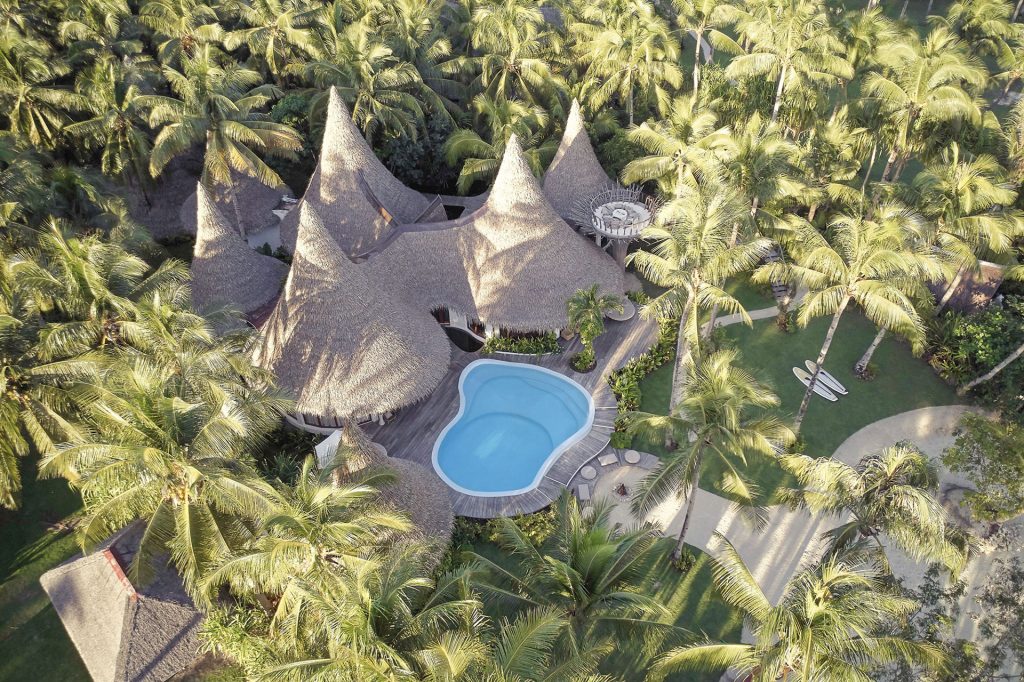
Across Thailand, Vietnam, Indonesia, and neighboring regions, a new generation of private island resorts is redefining what premium travel means in Asia.
The Meaning of Quiet Luxury in Modern Travel
Quiet luxury is not about grand lobbies or public recognition. It is about intentional design and effortless comfort.
In the context of private island resorts, this translates to:
- Limited numbers of villas or residences
- Natural landscapes preserved rather than overdeveloped
- Personalized service without intrusion
- Architecture that blends into the environment
- Experiences designed around time, not schedules
For business leaders, entrepreneurs, and globally mobile families, these resorts offer something increasingly rare — the ability to disconnect completely without sacrificing standards.
Why Southeast Asia Leads the Private Island Experience
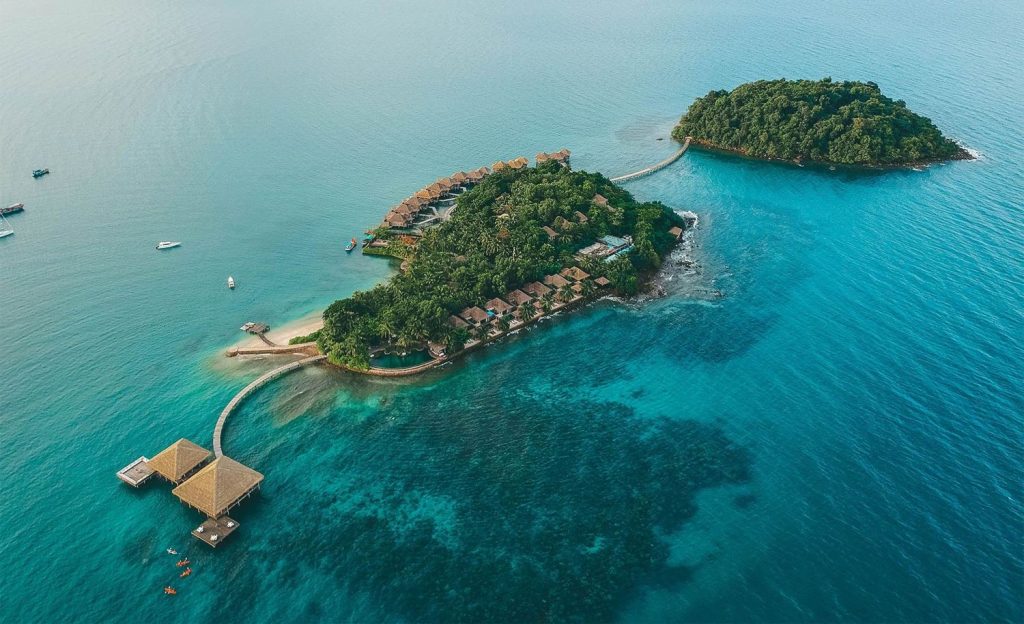
Southeast Asia offers a unique combination of geography, culture, and hospitality expertise that makes it ideal for private island living.
Key advantages include:
- Thousands of naturally isolated islands
- Year-round tropical climate
- Deep-rooted service culture
- Short flight distances between major cities
- Mature luxury travel infrastructure
From the Andaman Sea to the South China Sea, private island resorts in this region are designed for travelers who value restoration over entertainment.
Thailand — Privacy with Polished Hospitality
Thailand remains one of the strongest destinations for private island resorts, thanks to its refined service culture and attention to detail.
Private islands in southern Thailand often feature:
- Standalone villas with direct beach access
- Personal hosts or villa managers
- Spa and wellness programs rooted in Thai traditions
- Minimal guest capacity to preserve exclusivity
These resorts appeal to travelers who want structure when needed, but space when desired. The experience is seamless, calm, and quietly sophisticated.
Vietnam — Emerging Elegance and Natural Seclusion
Vietnam’s private island resorts are fewer in number but growing in reputation. What sets them apart is natural restraint — untouched coastlines, low-density development, and strong emphasis on landscape preservation.
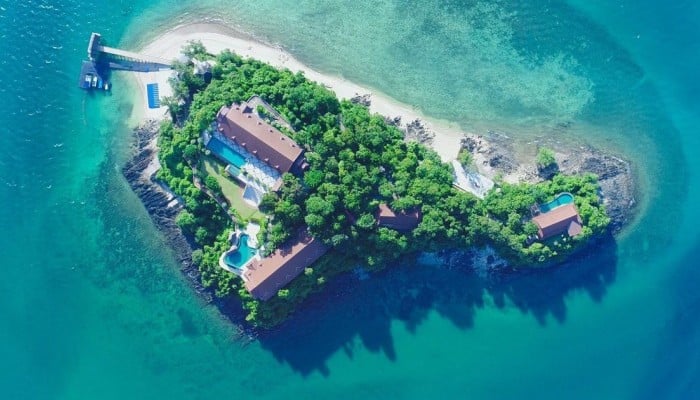
Private island experiences in Vietnam often include:
- Contemporary architecture with local materials
- Long, undeveloped beaches
- Wellness and slow-living concepts
- A sense of discovery rather than display
For travelers familiar with traditional luxury hubs, Vietnam offers something refreshingly understated.
What Sets Private Island Resorts Apart from Traditional Luxury Resorts
While five-star mainland resorts offer comfort and amenities, private island resorts create a fundamentally different experience.
Key distinctions include:
- No external foot traffic or public access
- Greater control over privacy and security
- Tailored dining and activity schedules
- A sense of ownership over space
Many guests describe private island stays not as vacations, but as temporary relocations into a better rhythm of life.
Experiences Designed Around Time, Not Itineraries
One defining feature of private island resorts is their approach to experiences.
Instead of rigid programs, guests are offered:
- Flexible dining times
- Personalized wellness sessions
- Private excursions by boat or kayak
- Quiet spaces for reflection and work
This freedom is particularly valued by professionals accustomed to high-pressure environments. On a private island, time expands.
Sustainability as a Core Luxury Principle
Modern private island resorts increasingly view sustainability as part of luxury, not a compromise.
Responsible practices often include:
- Renewable energy systems
- Marine conservation initiatives
- Locally sourced materials and cuisine
- Limited construction footprints
For today’s premium traveler, knowing that comfort does not come at the expense of the environment adds a deeper level of satisfaction.
Who Chooses Private Island Resorts
Private island resorts attract a specific type of traveler:
- Entrepreneurs and business owners
- Executives seeking privacy and recovery
- Couples valuing discretion
- Families prioritizing safety and space
These guests are less interested in visibility and more focused on quality of experience.
The Future of Luxury Travel in Asia
As global lifestyles become more connected and demanding, the desire for controlled, restorative environments will continue to grow.
Private island resorts represent a future where luxury travel is:
- Quiet rather than performative
- Personal rather than standardized
- Sustainable rather than excessive
In Southeast Asia, this future is already taking shape — island by island.
Final Thoughts
Private island resorts in Southeast Asia are not about escaping the world, but about returning to it renewed. They offer a rare balance of privacy, comfort, and intention — a form of luxury that feels relevant, responsible, and deeply personal.
For travelers who value calm over spectacle and meaning over status, quiet luxury has found its natural home among Asia’s private islands.