
Resort real estate has evolved into a distinct investment class — one that combines lifestyle value with long-term capital preservation. In Asia, particularly in destinations such as Thailand and Vietnam, resort properties are increasingly viewed not as speculative assets, but as strategic holdings designed for stability, income, and personal use.
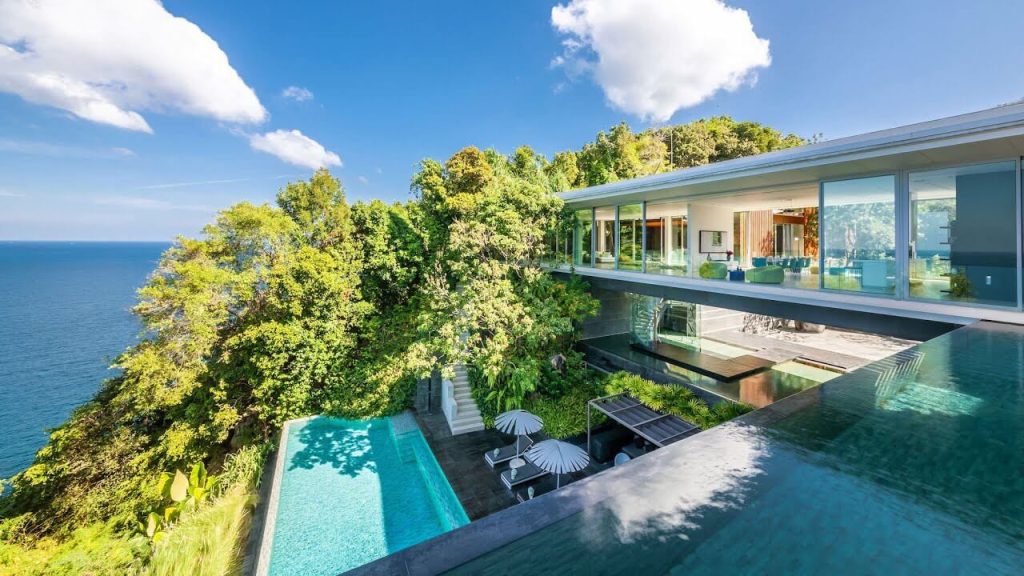
For discerning investors, the appeal lies in balance rather than speed.
Why Resort Real Estate Attracts Long-Term Capital
Unlike traditional residential investments, resort real estate benefits from multiple demand drivers. These properties serve both as income-generating assets and private retreats, offering flexibility that few other asset classes provide.
Key reasons investors are drawn to resort properties include:
- Limited beachfront and resort-grade land supply
- Consistent demand from high-spending travelers
- Professional management models
- Lifestyle utility alongside financial returns
In an era where experiences carry as much value as ownership, resort real estate sits at the intersection of both.
Asia’s Resort Markets — Maturity and Momentum
Southeast Asia remains one of the most attractive regions globally for resort real estate investment. Thailand and Vietnam, in particular, offer complementary market profiles.

Thailand provides:
- A mature tourism ecosystem
- Strong international brand recognition
- Established resort destinations such as Phuket, Koh Samui, and Hua Hin
Vietnam offers:
- Rapid infrastructure development
- Modern, master-planned resort projects
- Emerging destinations such as Phu Quoc and Ho Tram
Together, these markets allow investors to choose between stability and growth — or blend both within a diversified portfolio.
What Defines a High-Quality Resort Investment
Not all resort properties are created equal. Sophisticated investors focus less on promotional yields and more on fundamentals.
Key evaluation factors include:
- Location quality and long-term destination viability
- Reputable developers and operators
- Transparent management and fee structures
- Low-density design and environmental integration
- Legal clarity and ownership structure
True value lies in properties designed for longevity, not short-term rental spikes.
Income Potential Without Overexposure
One of the advantages of resort real estate is the ability to generate income without active involvement. Many developments offer rental management programs that handle operations, maintenance, and guest services.

For investors, this means:
- Passive income streams
- Professional asset upkeep
- Flexible owner usage options
Returns tend to be more stable when properties are positioned at the premium end of the market, where demand is less price-sensitive.
Lifestyle as a Strategic Component
High-net-worth investors increasingly factor personal enjoyment into their decision-making. Resort real estate allows owners to align investment logic with lifestyle priorities.
Benefits include:
- Access to wellness-focused environments
- Privacy and controlled communities
- Year-round usability in warm climates
- A hedge against urban intensity
This dual-purpose nature enhances the perceived value of the asset beyond pure numbers.
Risk Management in Resort Investments
As with any real estate investment, risk exists — but it can be managed through informed selection.
Savvy investors pay attention to:
- Overdevelopment risk in emerging destinations
- Dependence on a single tourism market
- Quality of long-term maintenance plans
Premium resort projects with conservative density and strong governance tend to outperform during market fluctuations.
The Long-Term Outlook
Resort real estate is inherently tied to land scarcity and destination desirability. As international travel continues to normalize and affluent mobility increases, high-quality resort assets are positioned to benefit from sustained demand.
In Asia, rising regional wealth further supports the long-term resilience of this segment.
A Measured Path to Ownership
Investing in resort real estate is not about chasing headlines or guaranteed returns. It is about acquiring well-located assets that hold value, generate income, and enhance quality of life over time.
For investors seeking diversification, discretion, and tangible utility, resort real estate remains one of the most balanced strategies available.
In a world defined by volatility, owning a place of calm — that also performs financially — is a compelling proposition.