
Luxury travel is no longer defined solely by brand recognition or star ratings. As travel preferences evolve, discerning travelers are increasingly asking a different question — how does a place make them feel. This shift has brought renewed attention to boutique hotels, while prompting five-star chains to rethink their approach.

Today, the choice between boutique hotels and established luxury chains reflects deeper values around individuality, privacy, and experience.
The Changing Definition of Luxury
Traditional luxury once emphasized scale, formality, and consistency. Five-star chains built their reputations on delivering predictable comfort across global destinations.
Modern luxury, however, prioritizes:
- Personalization over uniformity
- Atmosphere over grandeur
- Local character over standardized design
- Emotional connection over recognition
This evolution has changed how travelers evaluate where they stay.
Boutique Hotels — Designed Around Experience
Boutique hotels are typically smaller, design-driven properties created with a clear identity and sense of place.
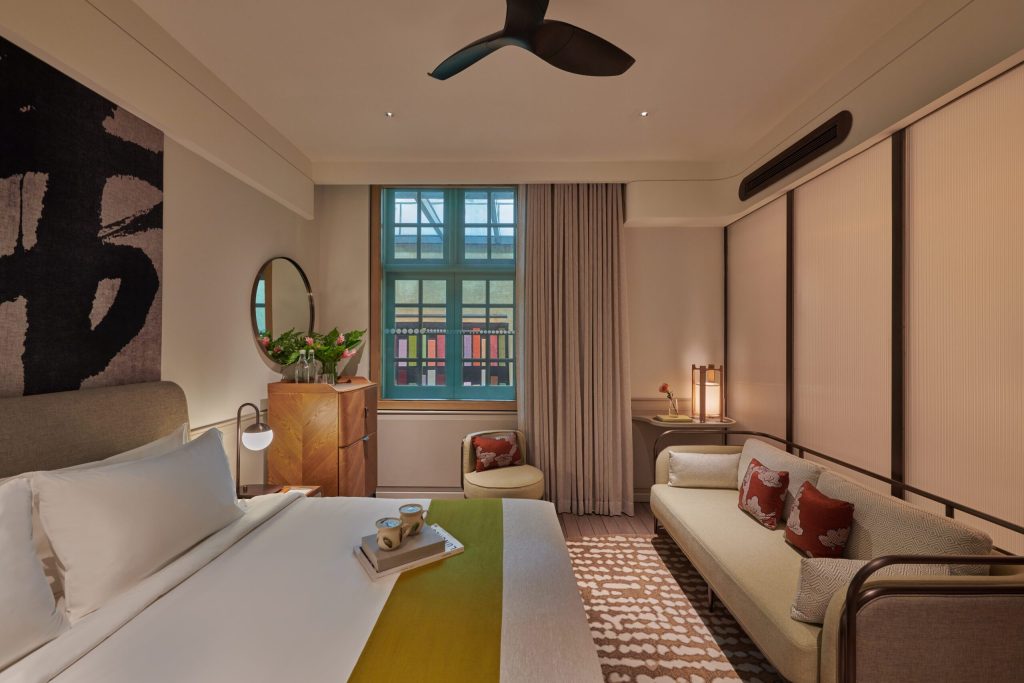
Key characteristics include:
- Limited number of rooms or suites
- Strong architectural and interior vision
- Personalized service
- Integration with local culture and environment
For many travelers, boutique hotels feel less like accommodations and more like curated living spaces.
Five-Star Chains — Reliability and Infrastructure
Five-star hotel chains continue to offer important advantages, particularly for frequent travelers and business professionals.

Their strengths often include:
- Consistent service standards
- Extensive leading facilities
- Loyalty programs and global recognition
- Efficient operational systems
For travelers who value reliability, accessibility, and scale, luxury chains remain a trusted choice.
Privacy and Atmosphere as Decision Drivers
Privacy has become a key factor in hotel selection. Boutique hotels, with fewer guests and lower density, naturally provide a quieter environment.
Five-star chains are responding by:
- Creating private wings and residences
- Offering personalized concierge services
- Reducing public space congestion
The distinction is narrowing, but atmosphere remains a defining difference.
The Role of Location and Context
Boutique hotels often occupy unique locations — restored heritage buildings, secluded coastal settings, or architecturally distinctive sites.
This allows them to:
- Reflect local history and design
- Offer immersive surroundings
- Create a sense of discovery
Five-star chains tend to prioritize central or iconic locations, offering convenience and accessibility.
Service Style — Formal vs Intuitive
Service style plays a significant role in guest satisfaction.
Boutique hotels often emphasize:
- Intuitive, informal service
- Staff familiarity with guest preferences
- Flexibility in schedules and offerings
Five-star chains typically provide:
- Polished, protocol-driven service
- Comprehensive staff training
- Clear service frameworks
Discerning travelers increasingly value authenticity over formality.
Design and Emotional Connection
Design has become more than aesthetics — it shapes how guests interact with a space.
Boutique hotels invest heavily in:
- Bespoke interiors
- Locally inspired materials
- Art and storytelling
Luxury chains are adapting by introducing:
- Lifestyle sub-brands
- Region-specific design elements
- Contemporary, residential concepts
Choosing Based on Purpose of Travel
The preference between boutique hotels and five-star chains often depends on the purpose of the trip.
Boutique hotels are favored for:
- Leisure travel
- Extended stays
- Cultural immersion
- Quiet retreats
Five-star chains remain preferred for:
- Business travel
- Short stays
- Conferences and meetings
- Predictable service needs
Understanding this context helps travelers choose more intentionally.
A Blended Future for Luxury Hospitality
The distinction between boutique hotels and five-star chains is becoming less rigid. Many travelers now seek a blend of both worlds — the intimacy of a boutique hotel with the reliability of a global brand.
As a result, hospitality continues to evolve toward:
- Smaller, experience-driven properties
- Greater personalization
- Locally grounded luxury
Final Thoughts
Discerning travelers today are not rejecting five-star chains, nor are they exclusively choosing boutique hotels. Instead, they are prioritizing fit, feeling, and purpose.
Luxury is no longer about choosing the most recognizable name — it is about choosing the experience that aligns with one’s lifestyle, values, and moment in time.